ENGIE Expands in South Africa: A Market in Transition
As South Africa’s power market evolves, ENGIE is strengthening its presence to help industrial customers source and manage energy differently.
-

par YASMINE CHAKER - Article
- Publié le 22/04/2026

As South Africa opens its electricity market to private players, industrial and commercial customers are gaining access to new ways of sourcing power, managing risk, and advancing their decarbonization strategies. To support that shift, ENGIE is strengthening its energy management capabilities in the country.

When Dirk Hendrix, Managing Director of International Supply & Energy Management Southern Africa, arrived in South Africa in late 2025, he found a market moving into a new phase.
After years of rolling blackouts, grid constraints, and a system largely organized around a single buyer, the country is gradually opening its power sector to new models, new players, and new forms of customer engagement.
For large electricity users, that evolution brings both opportunity and complexity. Private PPAs have been possible since 2023, and the planned launch of day-ahead and intraday markets is expected to further reshape how electricity is sourced, valued, and managed. As a result, companies are no longer only looking for supply. They increasingly need partners that can help them navigate a more flexible and more sophisticated market environment.
A market that is creating new options for customers
South Africa’s power sector is undergoing a profound transformation. As the market evolves, companies are starting to explore sourcing models that would have been far less accessible only a few years ago. Businesses such as mining players have already taken steps in that direction, looking for cleaner and more competitive ways to secure electricity.
For customers, however, market opening is not simply about having more choice. It also raises more strategic questions: how to secure reliable supply, how to manage price exposure, how to combine different energy sources, and how to align electricity procurement with wider operational and sustainability objectives.
These are the questions that make energy management expertise increasingly valuable, especially in sectors where energy is business critical.
Building on an established presence in South Africa
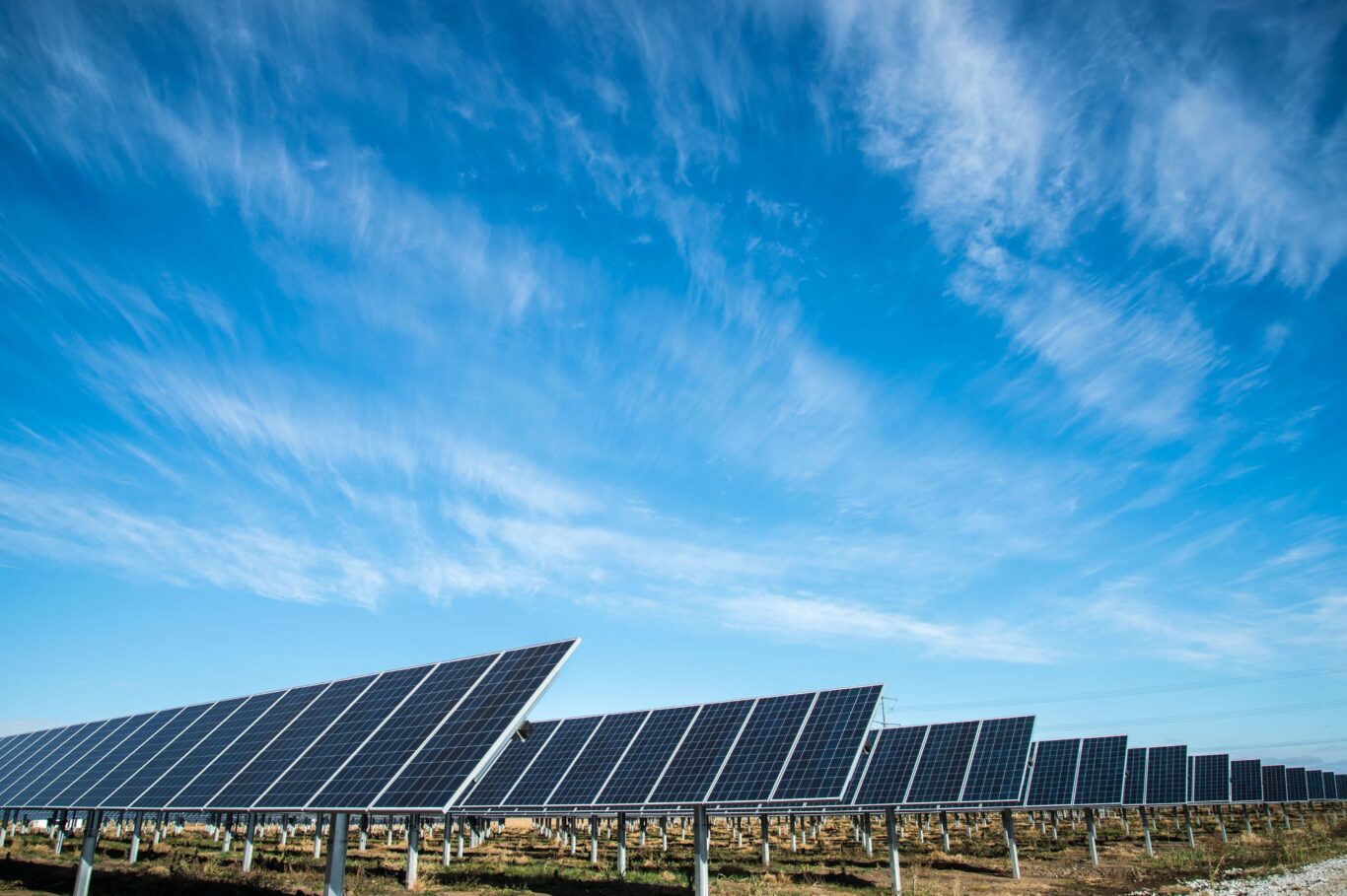
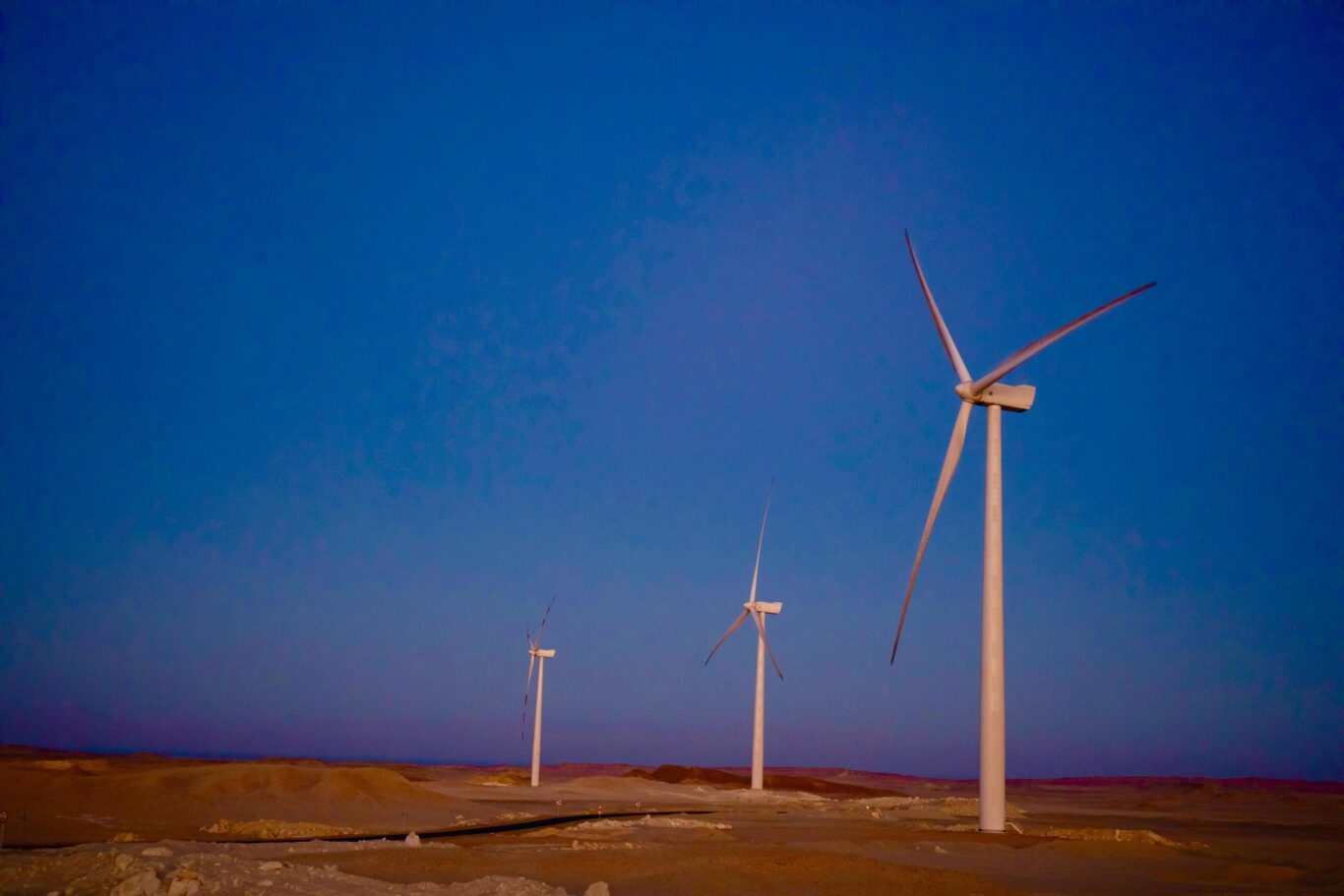
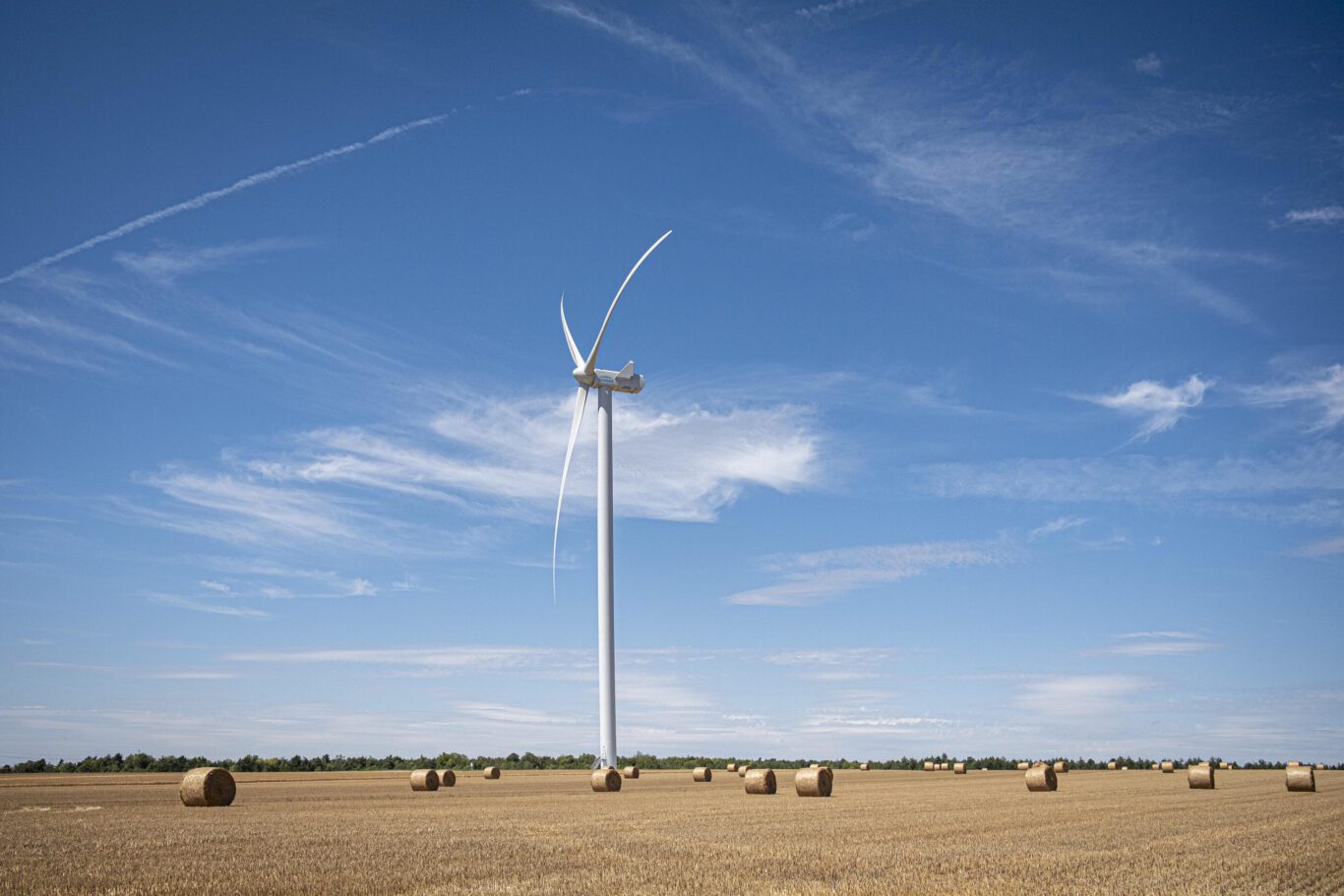
ENGIE is not entering South Africa as a newcomer. The Group has been present in the country for nearly 18 years and already has around 1.8 GW of assets across solar, wind, thermal generation, and hydrogen pilot projects through the Global Business Unit Renewable & Flexible Power.
That existing footprint provides an important foundation. It means customers and partners are not dealing with a company trying to discover the market from the outside, but with one that already understands the local energy landscape and is now extending its capabilities to meet a new set of needs.
“We are entering a greenfield space for our own activity, but in a country where ENGIE is already firmly established,” Dirk says. “Our job is to bring the capabilities in structuring, aggregation, and supply that can take things further.”
In practice, that means complementing ENGIE’s local asset base with capabilities developed over two decades in Europe and Australia, including energy trading, contract structuring, aggregation, and portfolio optimization.
What this means in practice for industrial customers
For industrial and commercial customers, the expansion of these capabilities brings access to a broader and more integrated approach to energy.
Rather than relying on a single-source model, customers can increasingly look for solutions that combine multiple forms of generation, optimize supply in real time, and reflect the specific constraints of their operations. That can be particularly relevant in sectors such as mining, manufacturing, and data centres, where reliability, flexibility, cost visibility, and decarbonization are closely linked.
This is also where market opening becomes concrete. A more liberalized system does not create value on its own unless customers can translate it into workable solutions: contracts that fit their load profile, sourcing strategies that reduce exposure, and energy structures that support both performance and sustainability targets.
ENGIE’s role is to help make that possible by bringing together local presence, industrial experience, and energy management expertise.

As Kelly Davids-Phillips, Head of Communications at ENGIE South Africa, notes, many companies are only beginning to realize that they now have a choice when it comes to how they source electricity.
In that context, part of the challenge is not only to provide solutions, but also to help customers understand what a more open market can make possible.
A fast-changing market with real constraints
The market’s potential is significant, but so are the constraints that still shape its development.
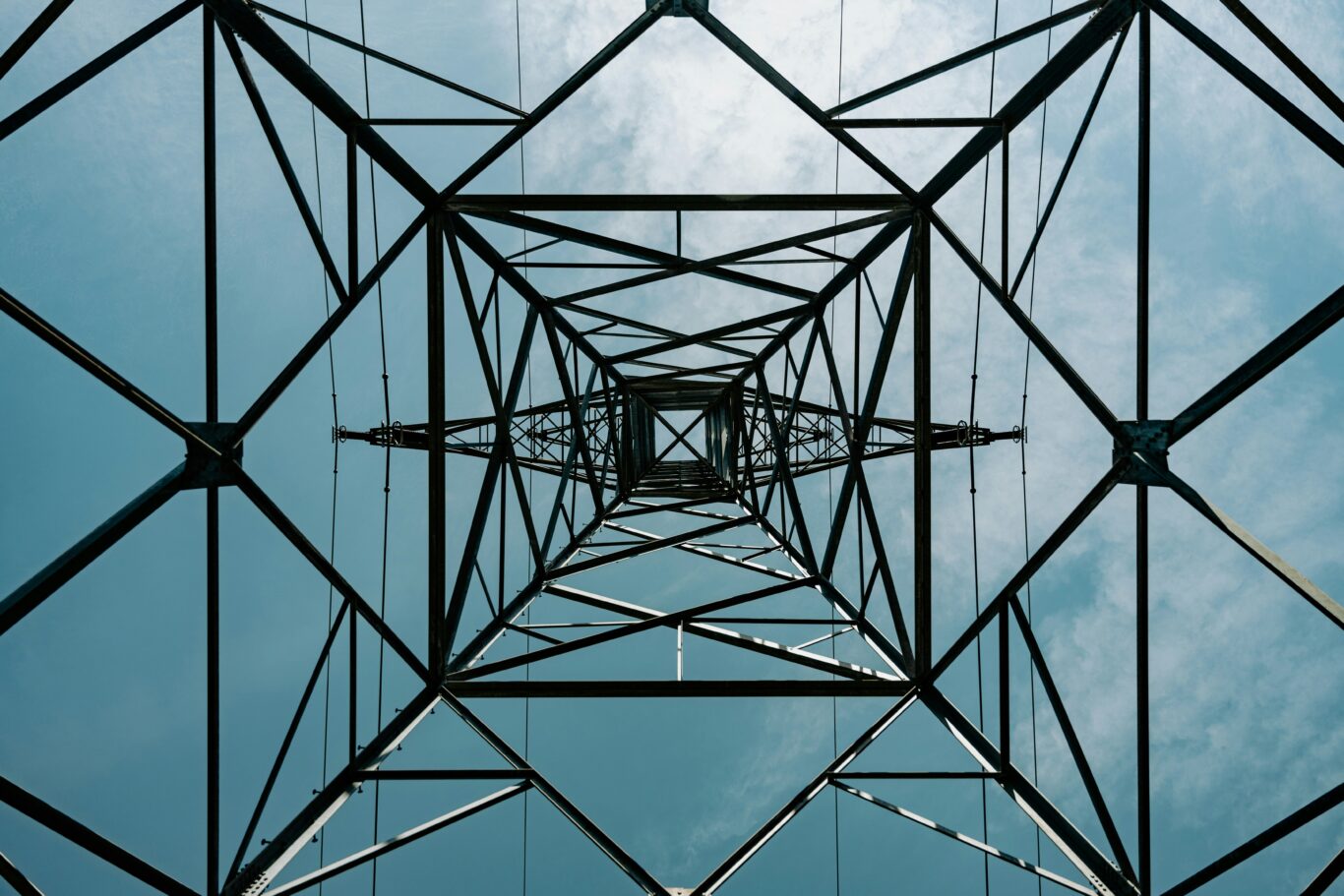
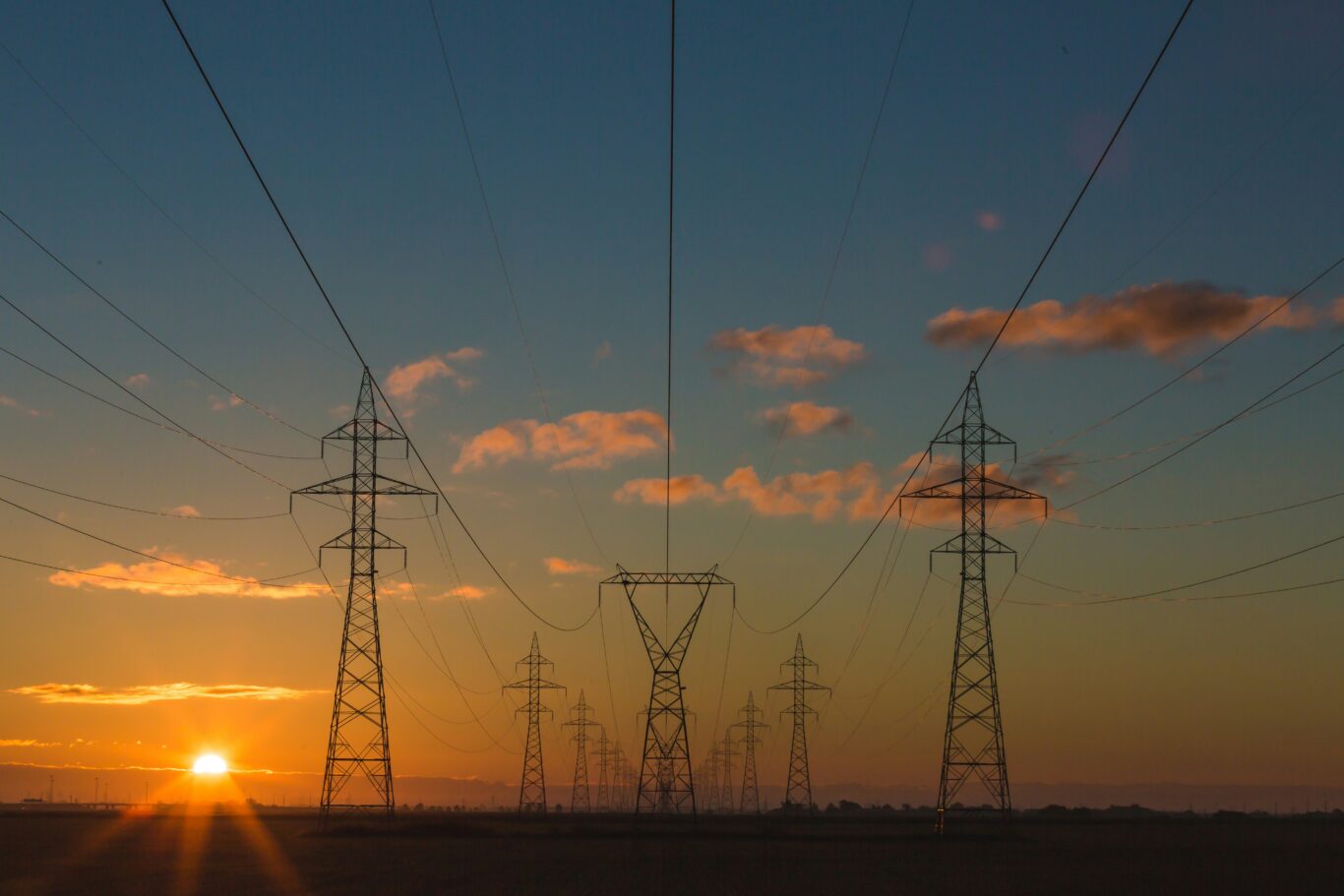
The country still needs an estimated 14,000 km of new transmission lines, and grid capacity remains one of the main limits on future development. At the same time, some customers are still becoming familiar with concepts such as aggregation, demand response, or virtual power plants, which means education and market maturity will continue to play an important role.
Still, the market trajectory is becoming clearer. Electricity demand from large companies is increasing, data center development is accelerating, and the need for flexible, lower-carbon energy solutions is becoming more urgent. As private PPAs multiply and market structures evolve, customers are likely to place greater value on partners that can combine industrial credibility, market expertise, and the ability to design solutions around real operational needs.
In that context, expanding energy management capabilities on the ground is not just a matter of market presence. It is about helping customers turn a changing power landscape into practical, workable energy strategies.