Poland’s energy transition: what its changing power market means for business
-

par Christoph Pfyffer - Article
- Publié le 29/06/2026
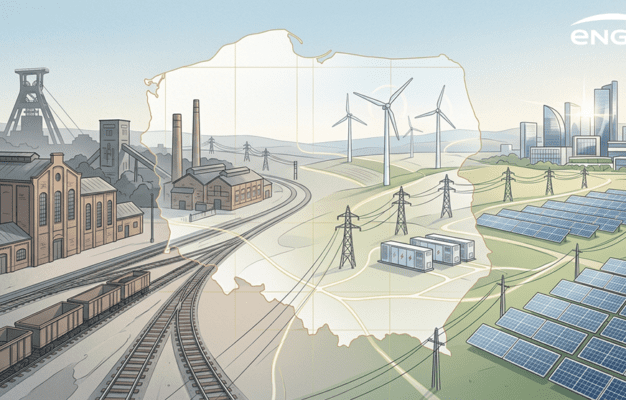
Poland’s energy transition is often viewed through the lens of coal. But focusing only on the country’s legacy risks missing what is now changing and what those changes mean for companies operating in the market.
The country combines a growing industrial economy, rising electricity demand and a power system that remains heavily exposed to coal. At the same time, renewable energy in Poland is expanding, and businesses are looking for new ways to control costs and reduce their carbon exposure. For energy buyers, the Polish transition is becoming a question of competitiveness, risk management and security of supply.
A power system under pressure
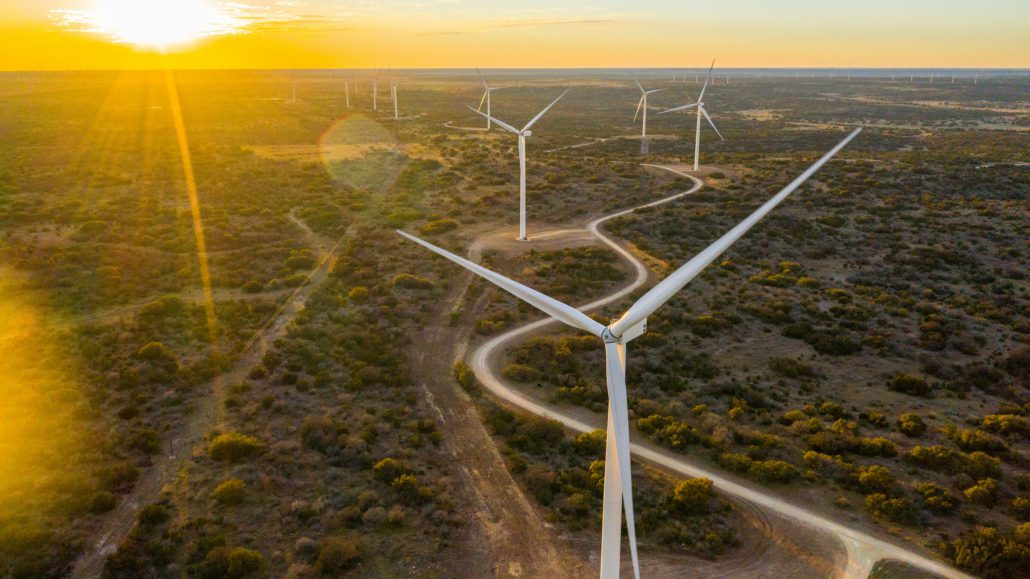
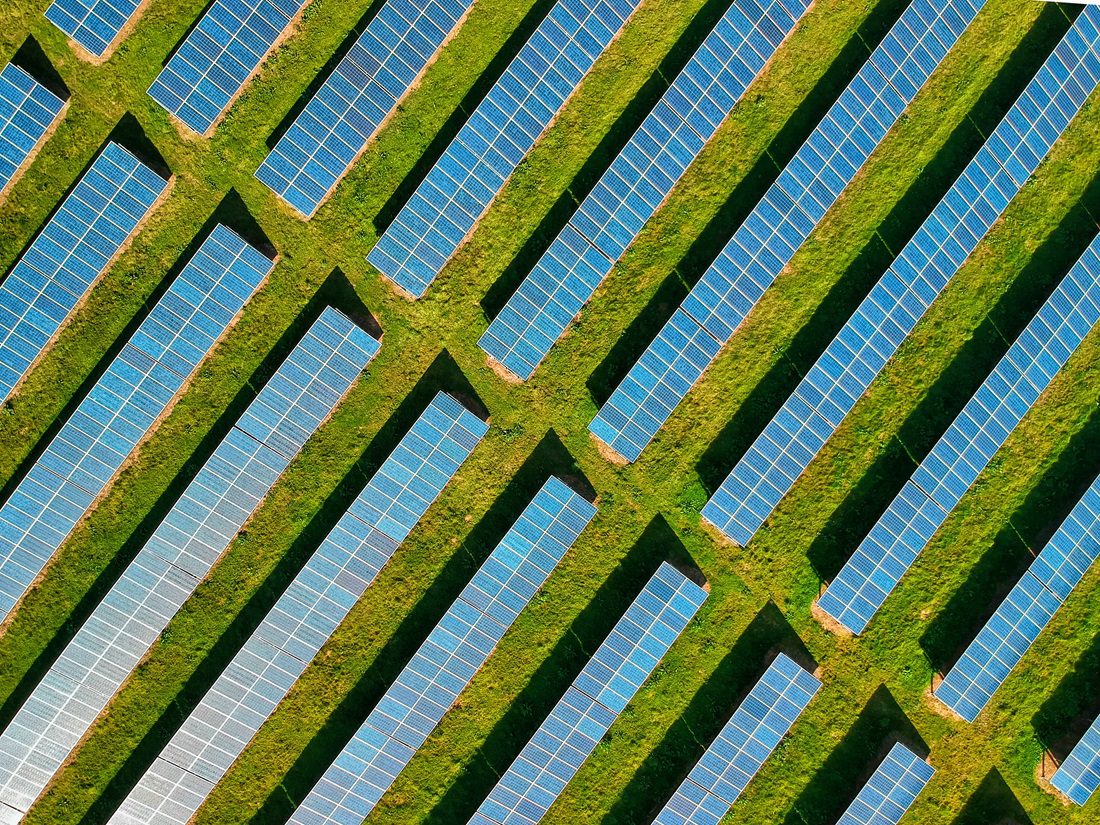
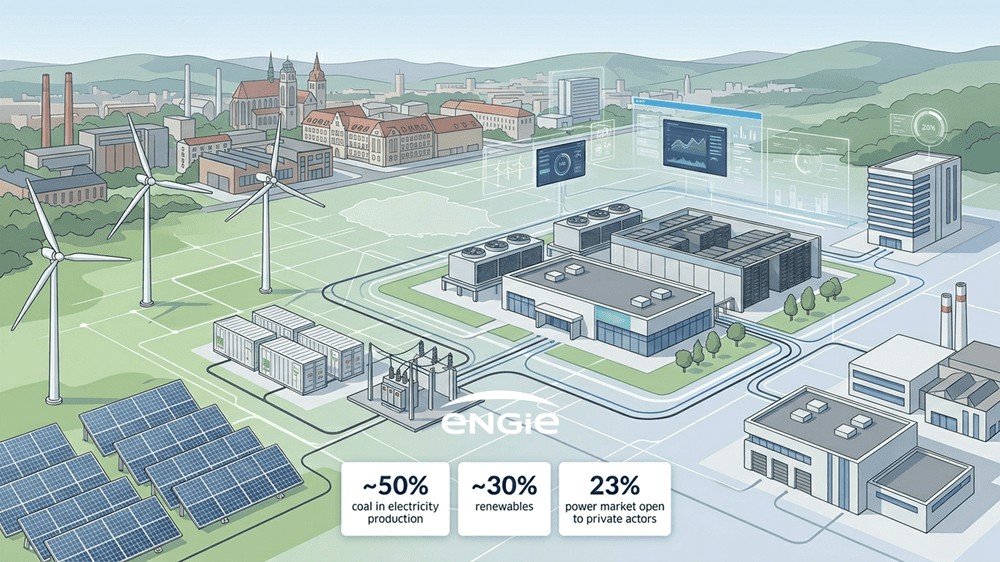
Poland’s electricity mix has changed considerably over the past two decades. In 2005, coal represented around 92% of the country’s electricity production. By 2025, its share had fallen to around 50%, while renewables approached 30% and gas represented around 14%.
This is significant progress, but it also highlights the scale of the transformation ahead. Poland remains more dependent on coal than many other European markets, while electricity demand continues to increase as the economy grows and new energy-intensive sectors emerge.
Poland must therefore reduce its dependence on coal without weakening industrial competitiveness or security of supply. This tension is already visible in the Polish electricity market: as more wind and solar generation enter the system, companies are facing greater price volatility, more negative-price periods and increasing curtailment risks.
Securing a competitive price remains essential, but it is no longer sufficient. Companies increasingly need to understand how market volatility affects their exposure and which sourcing strategy can remain resilient over time.
Different companies, different starting points
There is no single transition pathway for businesses in Poland. International companies are often among the first to move, driven by global decarbonization commitments that must be implemented locally. Renewable electricity, guarantees of origin and Power Purchase Agreements are becoming established parts of their energy strategies.
Large Polish industrial companies are also accelerating as energy competitiveness, carbon exposure and access to lower-carbon electricity become more closely connected. For many local B2B customers, however, the immediate priority remains securing reliable energy at a competitive cost. Decarbonization must therefore reflect their operational constraints and level of maturity.
The most effective strategy is not necessarily the most ambitious one on paper. It is the one a company can implement and develop over time. This means starting from the client’s actual needs: its consumption profile, exposure to market risk and decarbonization objectives.
From supply contracts to energy strategies
In a market as complex as Poland, energy supply and energy management can no longer be treated separately. ENGIE Supply & Energy Management combines B2B supply capabilities with market, risk management and renewable sourcing expertise, connecting client demand with renewable assets and wholesale market opportunities.
The objective is not to push every client toward the same solution, but to build a strategy adapted to its priorities, whether through full supply, renewable electricity, guarantees of origin or Power Purchase Agreements.
Flexibility will become an increasingly important part of that equation. As wind and solar generation grow, batteries, demand response and balancing services can help absorb market fluctuations and make better use of renewable electricity. For companies with consumption peaks during high-price periods, flexibility can also reduce market exposure and optimize energy costs. It is becoming a strategic issue for energy buyers, rather than a purely technical topic.
Data centers in Poland: a test of the new energy system
Data centers illustrate particularly well how Poland’s electricity needs are changing. The sector is expected to expand as digitalization, cloud services and demand for computing capacity continue to grow. According to a report published by the Polish Investment and Trade Agency, Poland’s data center capacity could reach around 500 MW by 2030.
These facilities require large and continuous volumes of electricity, high reliability standards and increasingly low-carbon power. Their development will therefore depend on the ability of the Polish market to provide reliable and competitive energy at scale.
A standard supply contract alone will not address all these needs. ENGIE’s presence across renewable production, flexible assets, energy supply, energy management and local infrastructure services creates opportunities to combine these capabilities around data center operators.
Solutions can include renewable electricity, PPAs, energy management and infrastructure support, with the potential to move progressively toward hourly matching and 24/7 carbon-free electricity.
Turning transition into opportunity
Poland should not be defined only by the energy system it is moving away from. It should also be seen as a market where companies can benefit from acting early: by securing access to renewable electricity, improving risk management and introducing greater flexibility into their energy strategies.
Poland’s energy transition is already underway. The next challenge is to turn it into a competitive advantage for companies and a more resilient energy system for the country.