Biomethane: discover the value chain behind this renewable energy source
What is biomethane, and how does it contribute to the energy transition? Our new infographic provides a clear, visual overview of the biomethane value chain, from organic waste to renewable gas delivery.
-

par Tanita BECCU - Article
- Publié le 01/08/2025
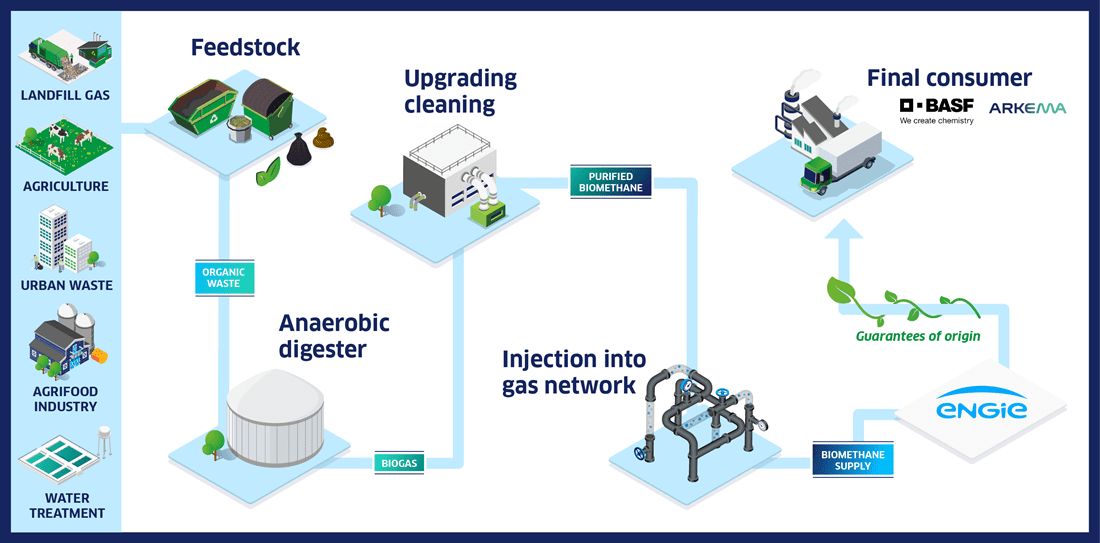
Whether you are looking to cut CO2 emissions, diversify your energy mix, or secure renewable energy supply, understanding how biomethane works is essential. This infographic offers valuable insights about biomethane and how it can support your sustainability strategy.
Biomethane: a renewable gas with circular roots
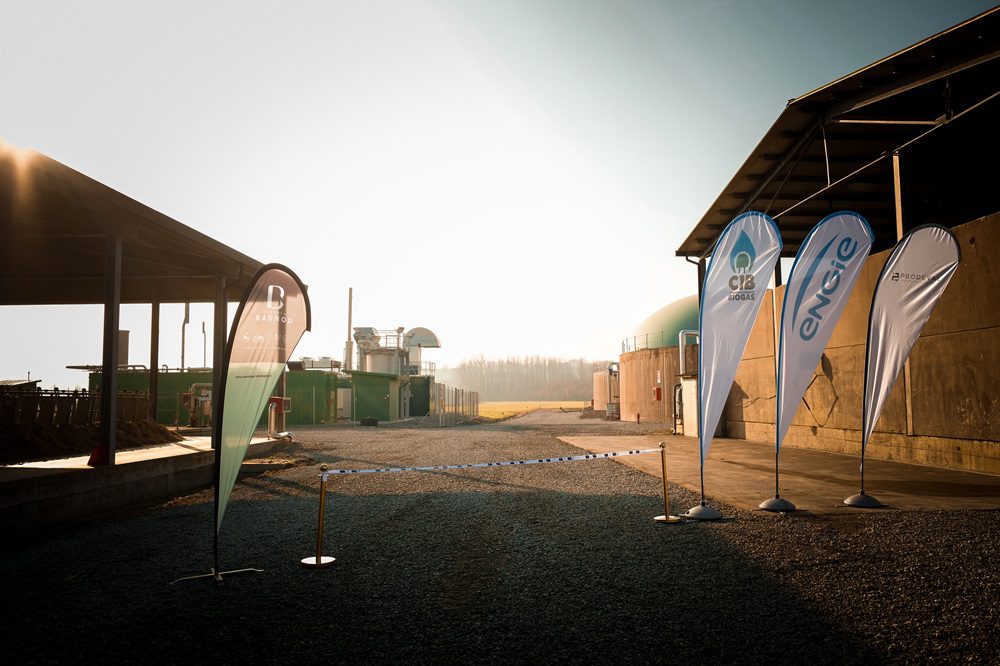
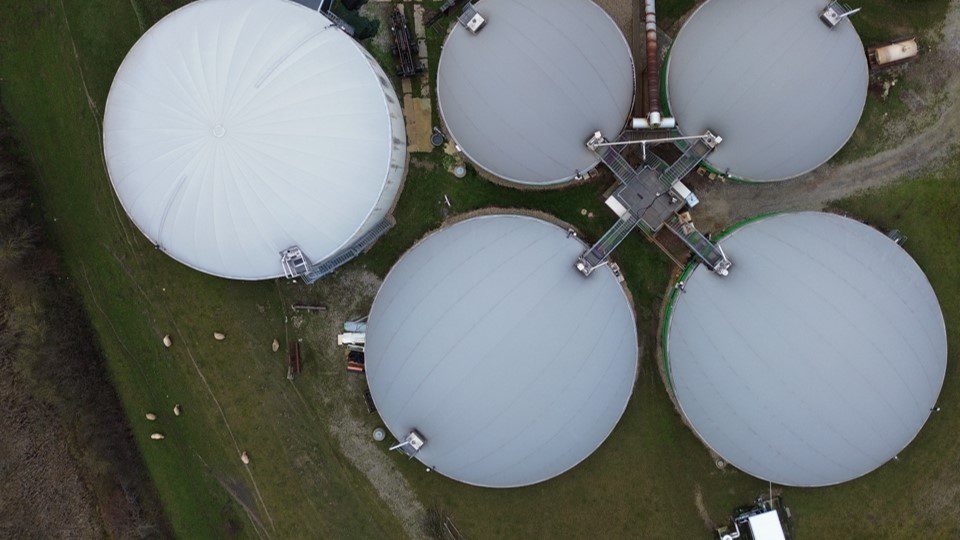
Produced from organic waste, such as agricultural residues, landfill gas, etc., biomethane is a 100% renewable gas. Through a purification process, it is upgraded to meet pipeline-quality standards and then injected into the existing gas network.
Once in the grid, it is delivered to end users with full traceability, ensured by Guarantees of Origin.
A value chain that supports sustainability
The key steps in the biomethane value chain are:
- Organic waste recovery and treatment
- Production and purification of biomethane
- Injection into the gas grid
- Delivery to end users
ENGIE plays a key role as a trusted midstream partner, connecting biomethane producers with businesses looking for renewable energy sources.
Supporting energy and climate strategies
Biomethane is a strategic asset for reducing greenhouse gas emissions, diversifying energy supply, and supporting local, circular economies. It is increasingly integrated into sustainable business models and energy roadmaps.
This infographic offers a concise and insightful overview of the biomethane value chain and how it can support your sustainability strategy