Why 24/7 carbon-free electricity is becoming the next standard
Electricity is invisible. Emissions are not. In the next phase of the energy transition, credibility will be built on one simple question: is your electricity carbon‑free at the moment you consume it, hour after hour?
-

par Frederic Lefort - Article
- Publié le 08/06/2026
For years, companies have relied on clean energy targets to decarbonize their operations. Through Power Purchase Agreements (PPAs) and renewable energy certificates, they have helped accelerate the development of wind and solar capacities worldwide. These tools remain essential, but they were designed for a different question: how much renewable electricity is produced over a year, not looking at when electricity is actually consumed?
Today, that distinction is becoming central with electricity system getting more complex with the integration of renewables.
Power demand continues at night, during winter peaks, and when renewable output is low. Emissions occur at the exact moment power is generated to meet the demand. Yet most green electricity strategies still rely on annual averages that smooth greater granular variabilities. This can hide significant differences between average performance and actual system conditions.
This mismatch is becoming increasingly visible in Scope 2 emissions reporting under the GHG Protocol, with discussions already pointing towards greater granularity.
“Decarbonization can no longer ignore time. What matters is not only how much renewable energy you buy annually, but whether electricity is carbon-free when it is delivered,” says Frederic Lefort, 24/7 Program Leader.
Time dimension changes everything
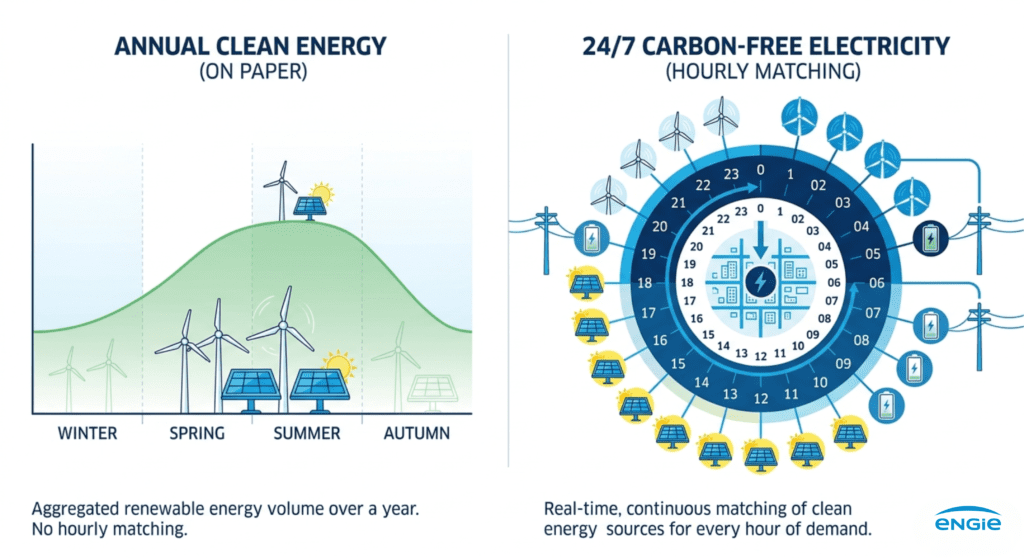
In practice, many companies that claim 100% renewable electricity on an annual basis still cover up to 50 to 60% of their consumption with carbon‑free electricity at all hours, depending on their load profile and the generation mix contracted. The remaining hours are typically covered by fossil-based generation through the grid.
Closing this gap is precisely what the 24/7 approach is designed to achieve.
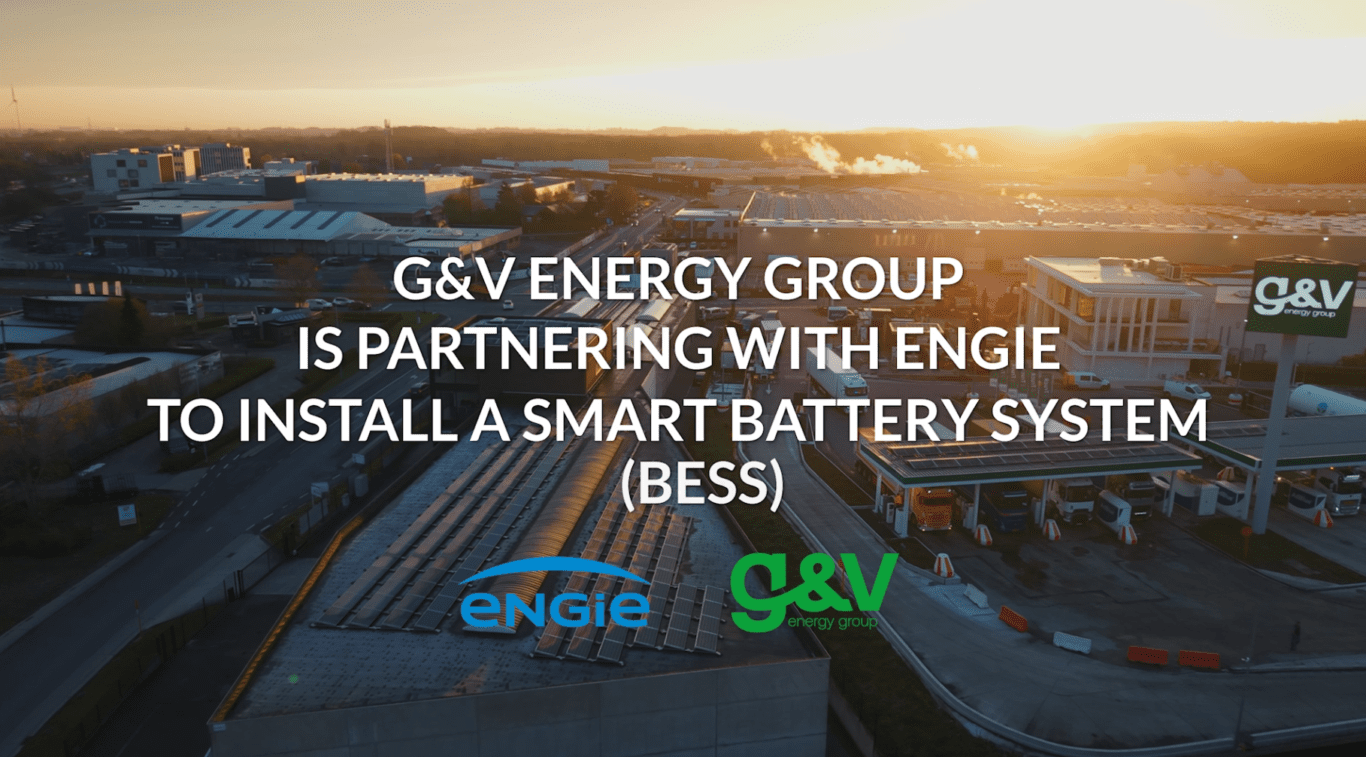
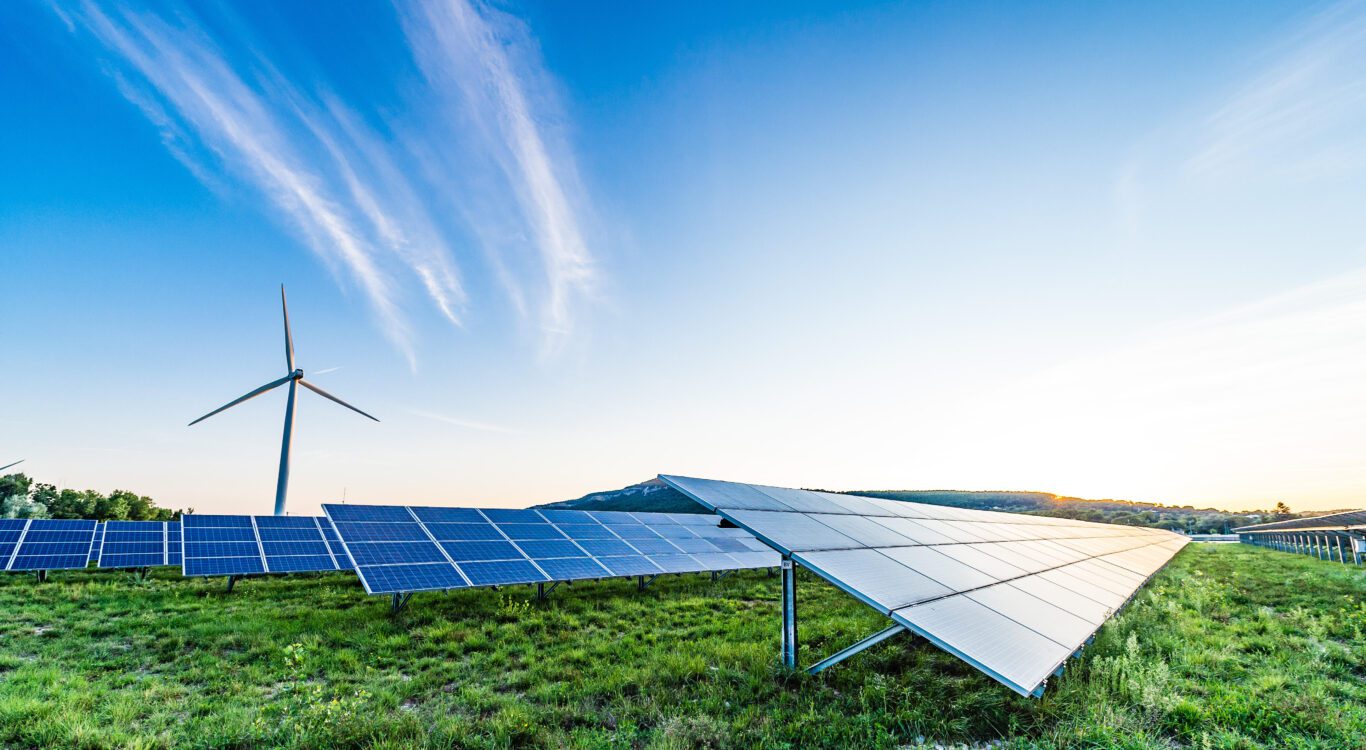
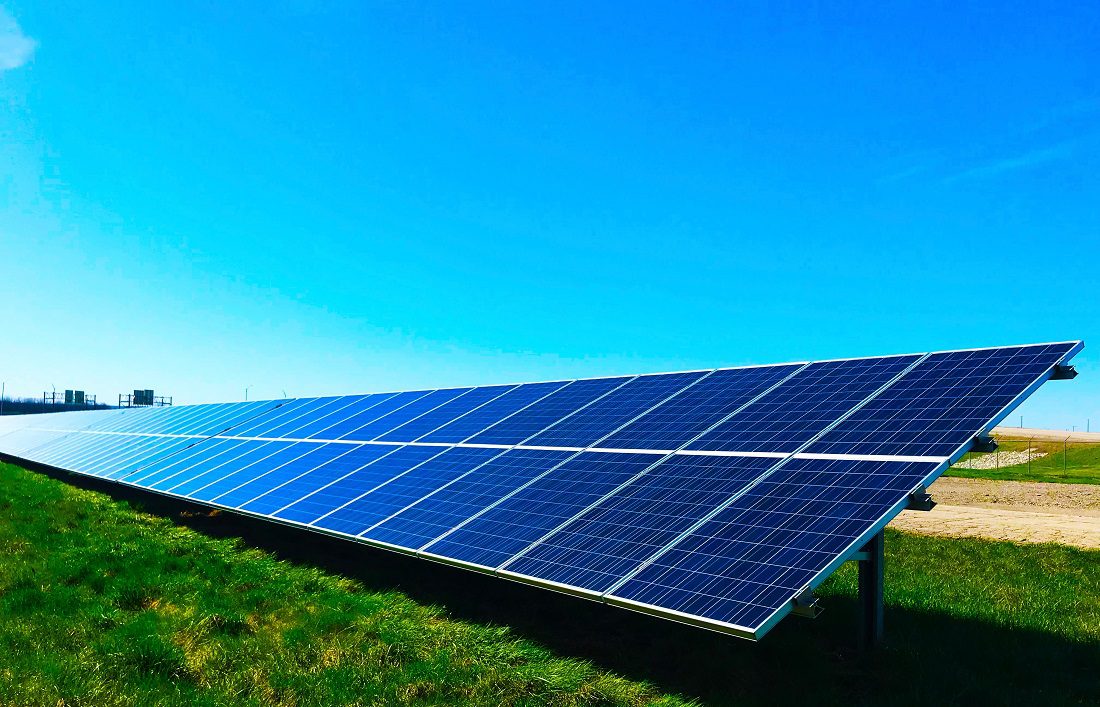
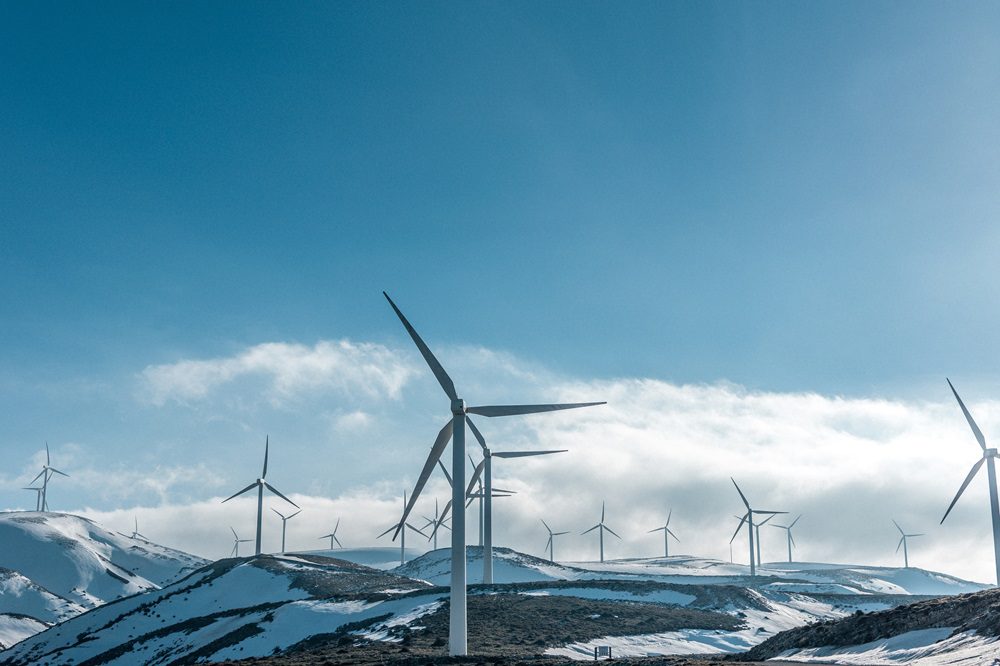
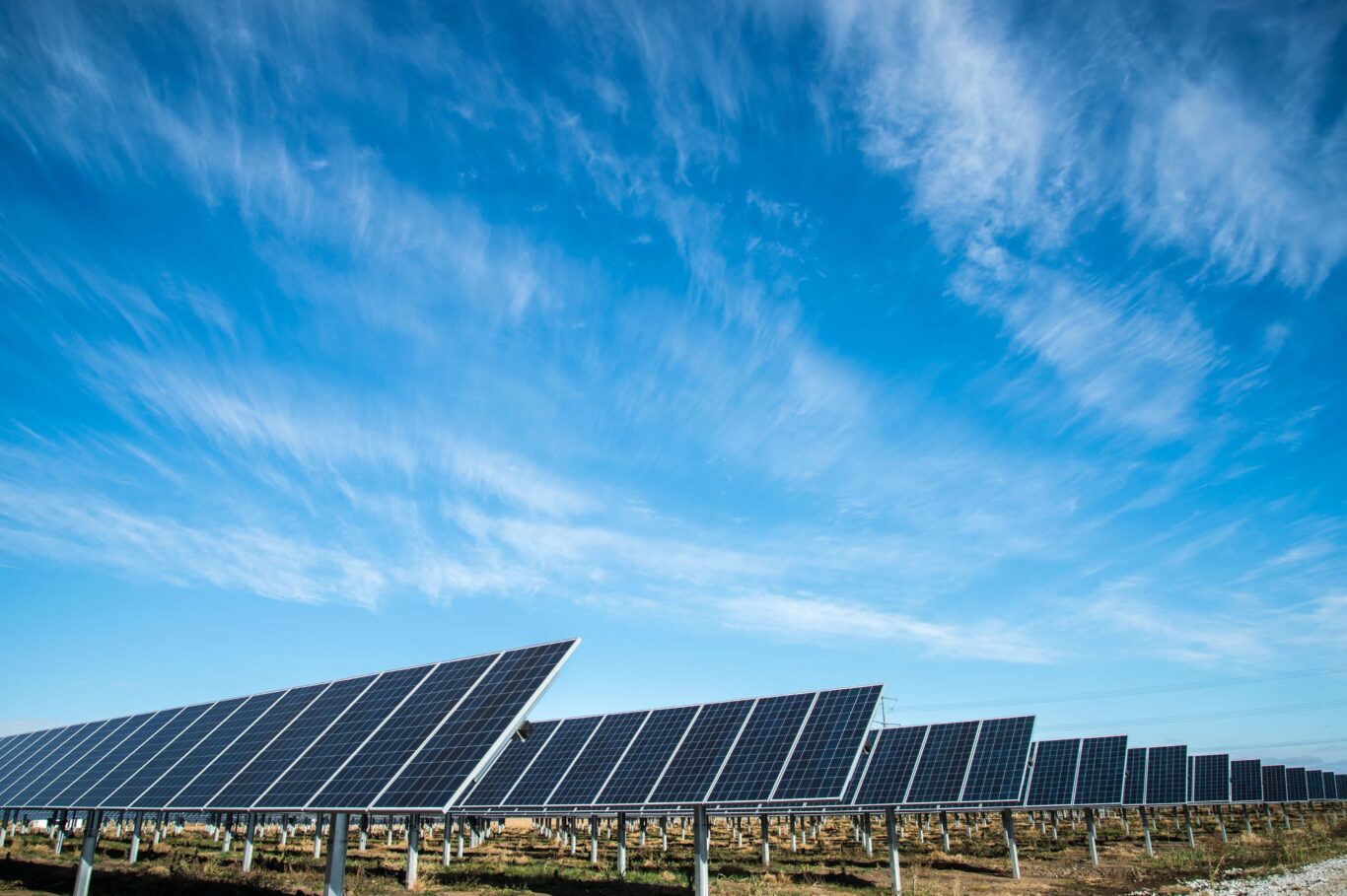
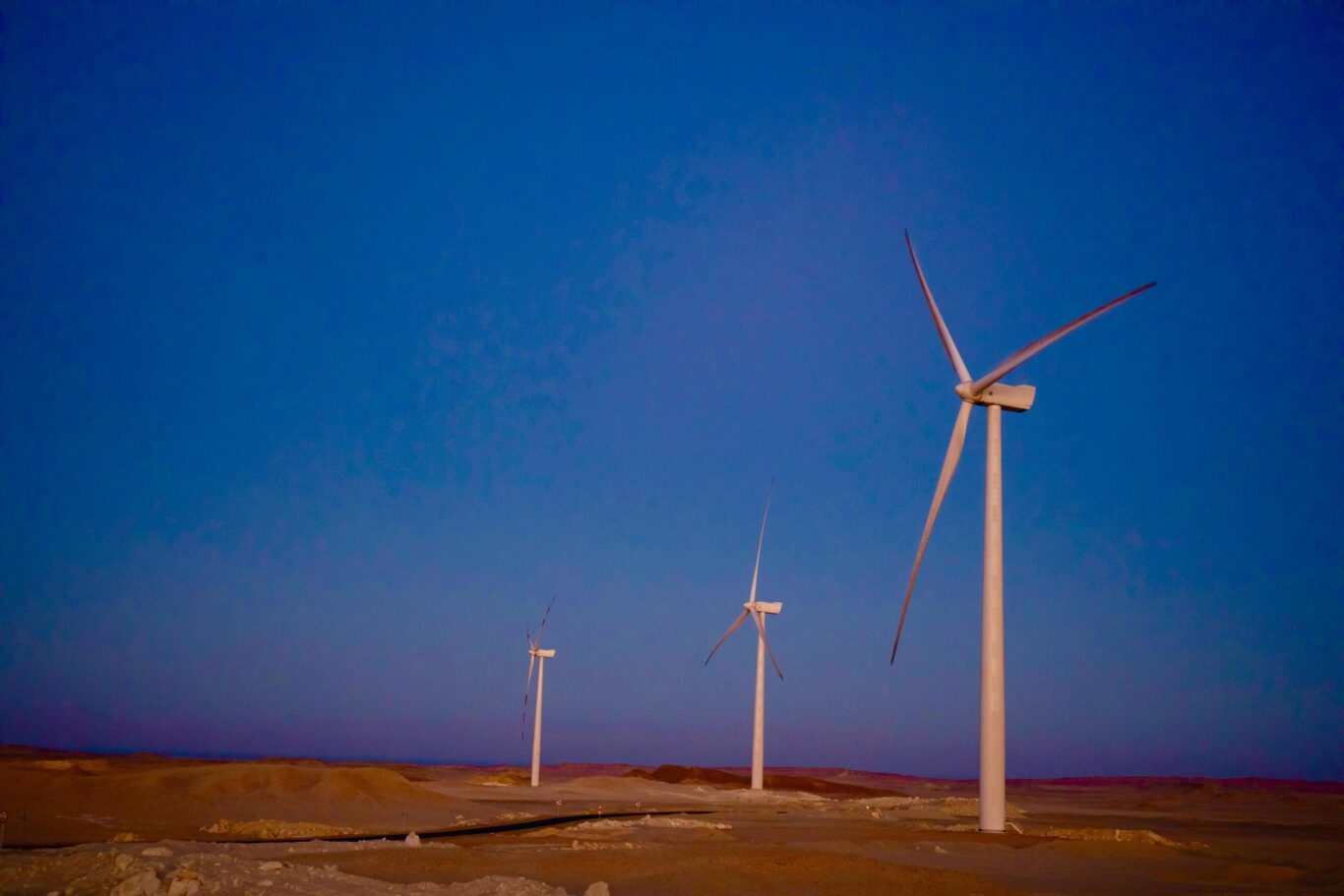
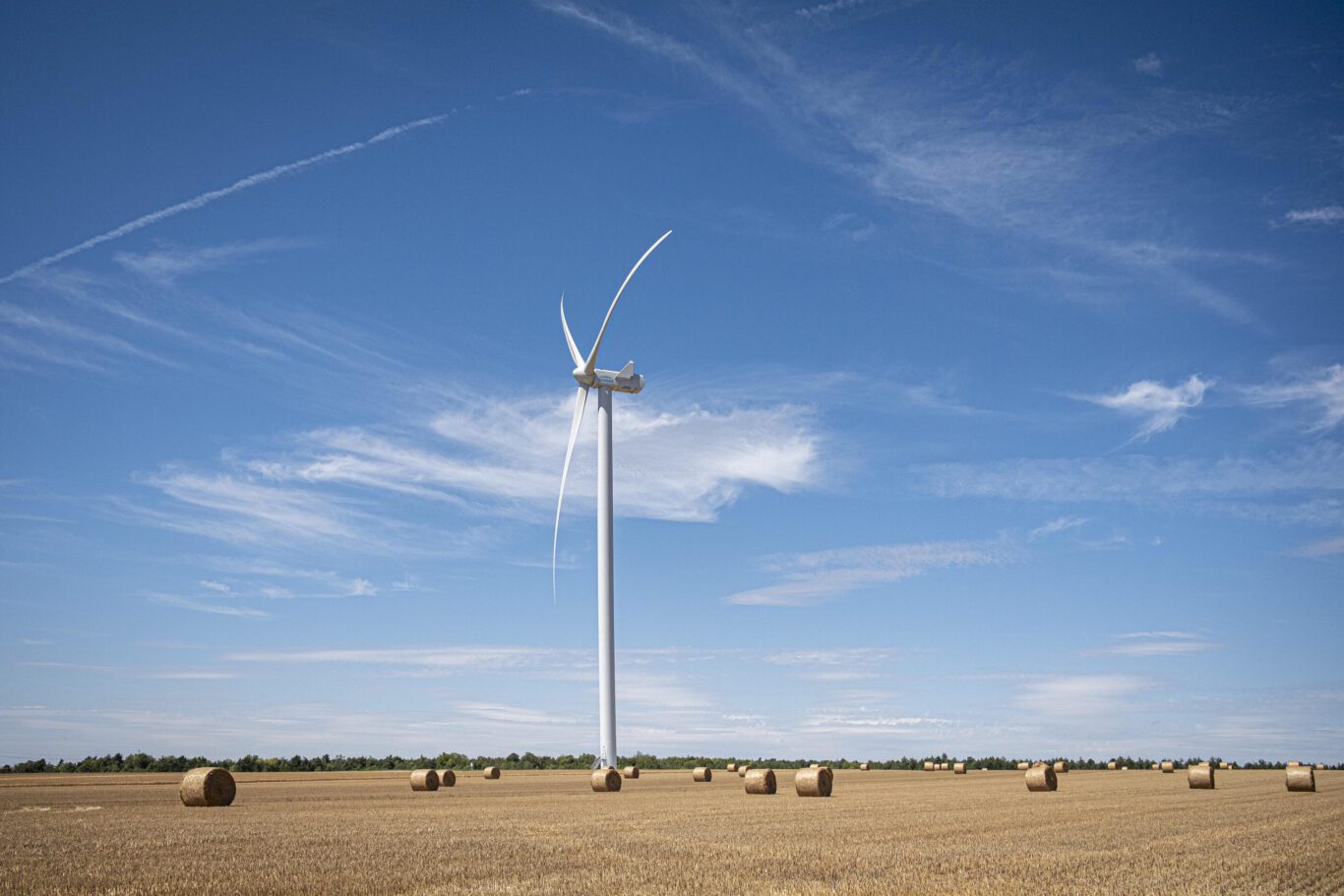
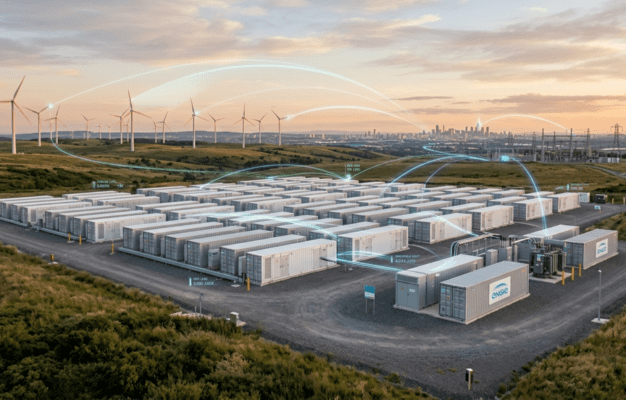
24/7 carbon‑free electricity introduces a simple but fundamental shift: aligning decarbonization with time. Instead of balancing emissions over a year, consumption is matched hour by hour with carbon‑free electricity generation, using local and specified assets. Solar and wind remain central, but they are complemented by BESS (battery energy storage system), and other flexibility solutions that make continuous coverage possible.
As part of ENGIE’s ambition, this approach is also associated with greater transparency on the origin of electricity, although practices can vary across the market. While some players rely on portfolio-level matching, 24/7 approaches based on specified assets aim to provide more granular visibility and credibility.
The result is a shift from being carbon-free to being carbon‑free every hour.
Performance is measured through a 24/7 Hourly Match Score, which reflects the share of consumption hours matched with a supply of carbon-free electricity. Initiatives such as EnergyTag are shaping the standards that make this hourly tracking credible and auditable.
Why the shift is accelerating
Three forces are converging, all pointing towards the same conclusion: the market is moving from volume-based accounting to time-based delivery.
- First, carbon accounting is becoming more granular, with growing interest in hourly matching for Scope 2 emissions, driven by needs to better reflect physical reality.
- Second, electricity demand is rising sharply, driven by electrification and energy‑intensive uses such as data centres and hyperscalers that operate around the clock. These loads operate continuously and are exposed to low-renewable production hours. This context is also accelerating the push for hourly matching to strengthen the credibility of decarbonization strategies and limit greenwashing, by ensuring that annual PPA coverage is not offset by parallel reliance on fossil-based capacity and better aligning sourcing with real consumption patterns.
- Third, energy security has become a strategic priority, pushing companies towards locally produced carbon‑free electricity that is less exposed to fossil fuel price volatility and dependency.
24/7 by ENGIE: making it operational
With 24/7 by ENGIE, the Group matches customers’ electricity consumption hour by hour with carbon-free electricity delivered from specified and local carbon‑free assets, combining renewable generation, long‑term PPAs, energy storage and energy management expertise.
What makes ENGIE stand out is its ability to make 24/7 operational rather than theoretical. By combining renewables generation and flexibility and optimizing the match between generation and consumption, Engie enables customers to progress from ambition to measurable outcomes.
This model is already being deployed through concrete projects such as the 24/7 carbon‑free energy agreement with Google in Germany and ENGIE’s round‑the‑clock renewable electricity supply for Einstein Bros. Bagels.
As electricity becomes the backbone of decarbonized economies, credibility increasingly depends on alignment with system time, not just on contracted volumes. In that context, 24/7 carbon‑free electricity is no longer just an ambition, it is fast becoming the new reference for credible power decarbonization.