Why data centers are reshaping the way we think about carbon-free energy
Data centers never sleep. Neither does their electricity demand.
- Article
- Publié le 23/06/2026
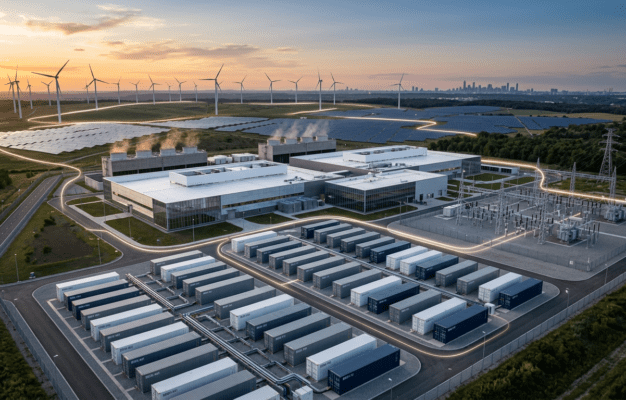
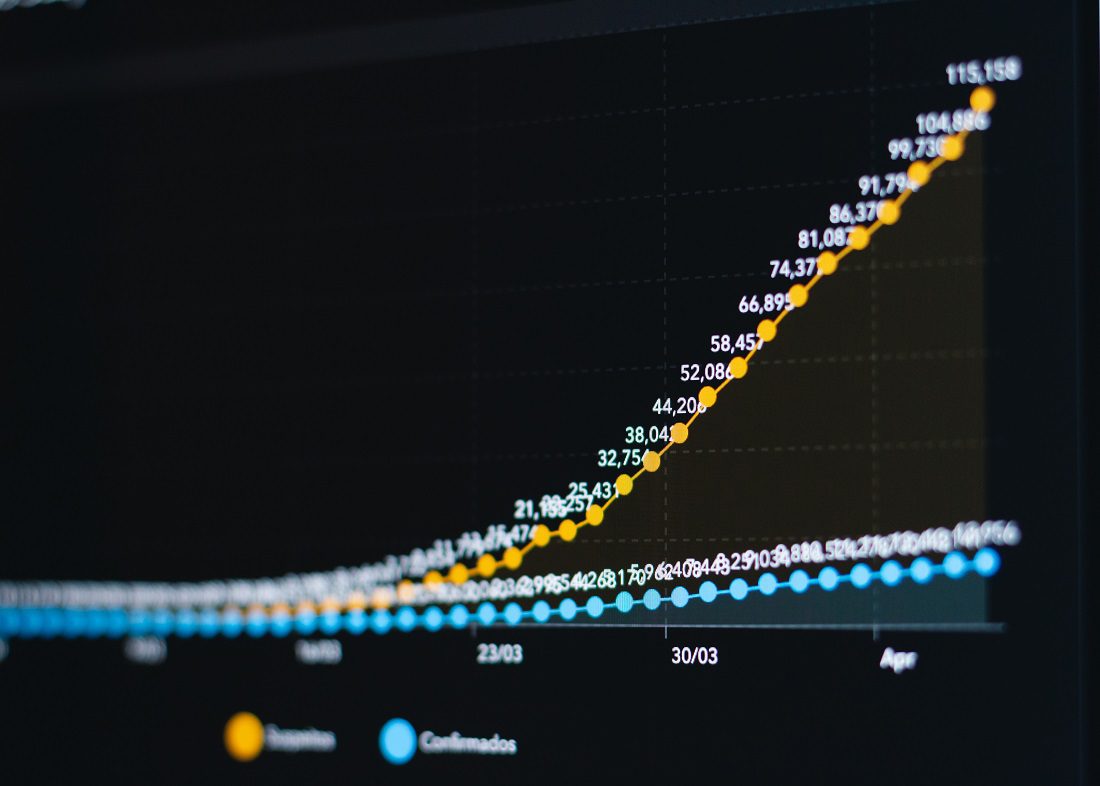
Every search, cloud service, streamed video or AI request relies on infrastructure that operates continuously. As digital services expand, this always-on demand is becoming one of the most pressing energy challenges of the decade. The International Energy Agency expects global data center electricity consumption to almost double, from around 485 TWh in 2025 to 950 TWh by 2030.
This growth is intensifying the time-to-power challenge. As land becomes scarcer and grid access more constrained, data center operators must secure significantly more power in a less predictable market while meeting rising sustainability requirements.
The question is therefore how to secure electricity in the right place, at the right time and with credible carbon-free claims.
Why annual renewable energy matching is evolving
Renewable electricity procurement models, including Power Purchase Agreements (PPAs), have played a major role in scaling renewable energy and supporting new capacity.
Most corporate renewable energy targets are assessed annually. A company matches the electricity it consumes over a year with an equivalent volume of renewable electricity purchased or generated during the same period.
For assets operating 24/7, this provides a yearly view rather than showing whether carbon-free energy was available when it was consumed. Renewable generation and grid carbon intensity vary throughout the day, meaning a data center can match 100% of its annual consumption with renewable generation while relying on the wider grid mix during certain hours.
This is driving interest in more granular approaches, where the timing and location of electricity generation matter alongside total volume.
A growing priority: securing additional carbon-free energy
For data centers, electricity availability is becoming as strategic as carbon intensity. Rapid growth creates constraints linked to project timelines, electricity volumes and grid connections, making access to additional power a central part of their long-term supply strategy.
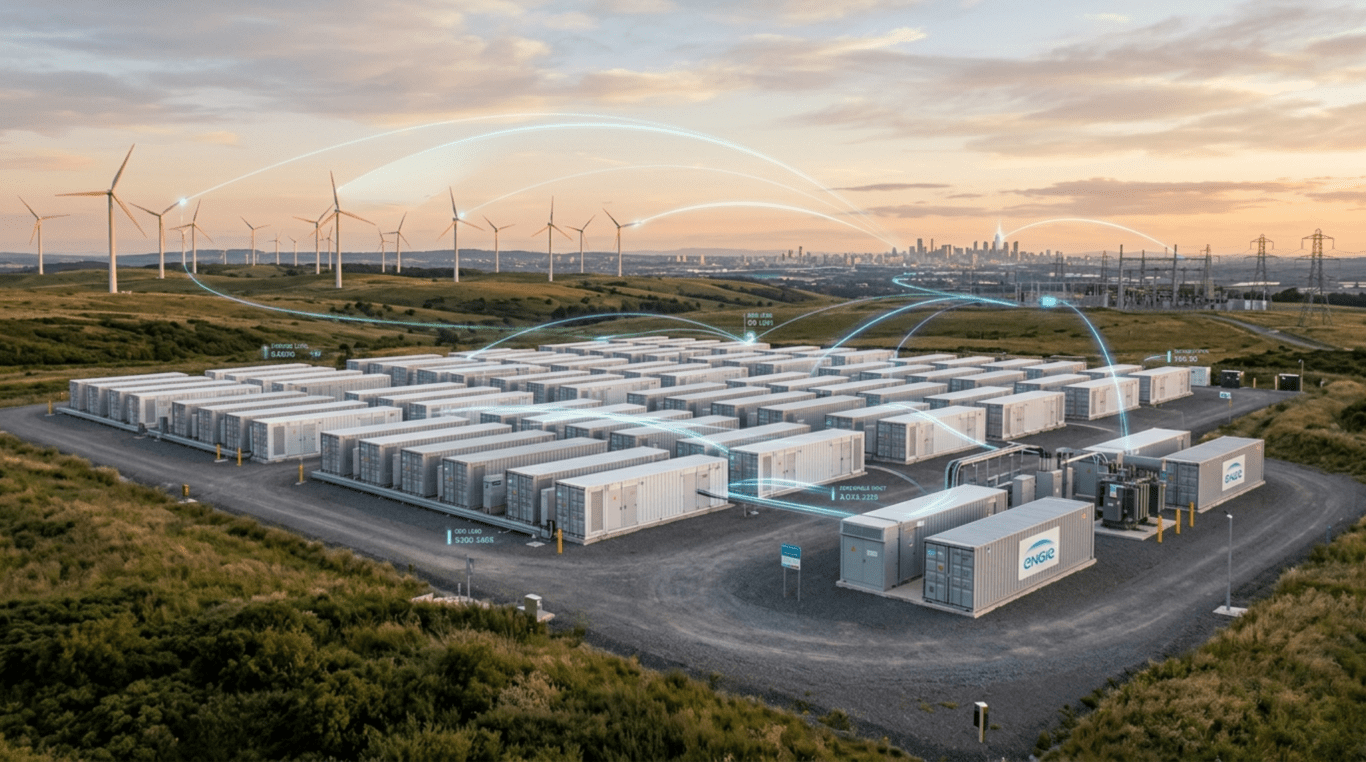
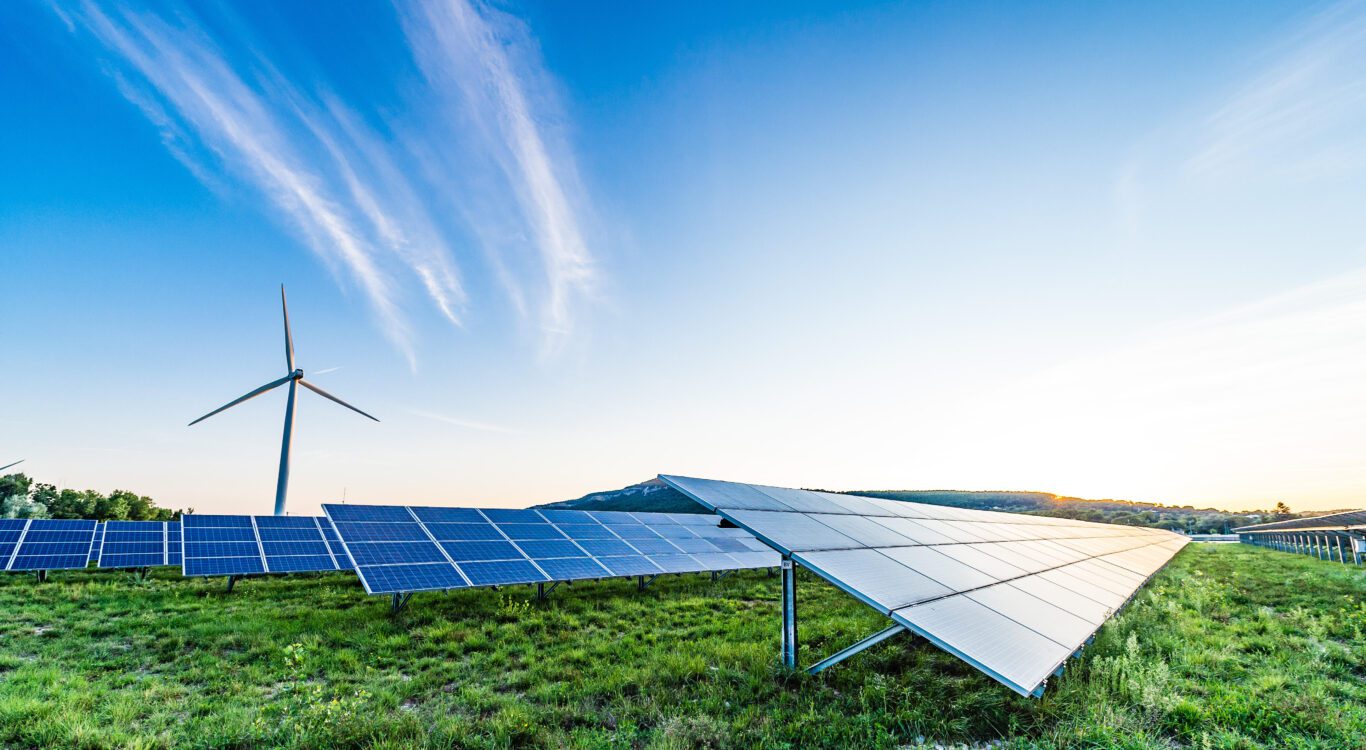
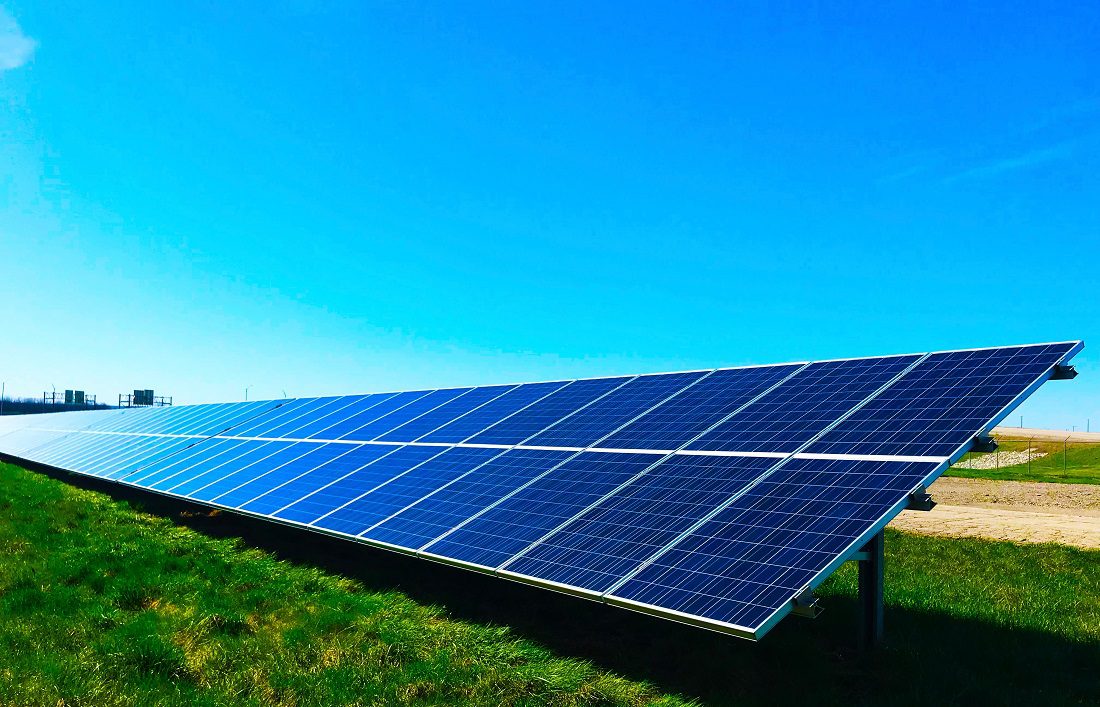
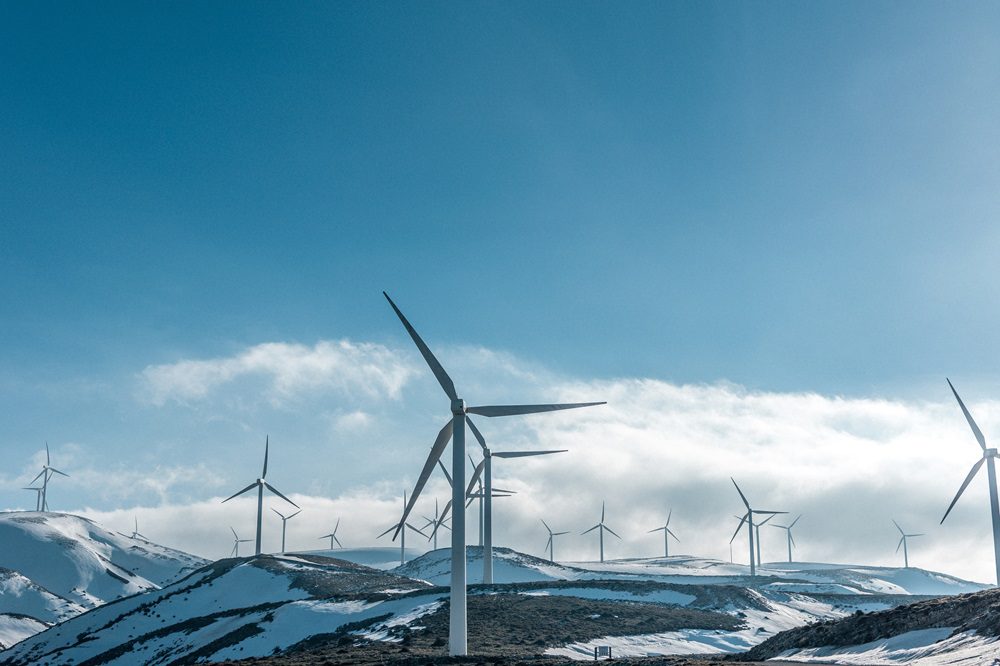
This can involve developing new local renewable generation and battery storage capacity, both on site and off site, alongside grid supply and PPAs. This approach, known as additionality, connects rising demand with new carbon-free capacity.
These solutions can provide:
- new generation capacity aligned with long-term demand
- greater visibility over the origin, timing and cost of power
- stronger resilience when generation, storage and flexible supply are combined
These assets remain part of a wider energy system. Their effectiveness depends on grid access, market supply, balancing and the ability to manage variations in generation and consumption.
What is 24/7 Carbon-Free Energy?
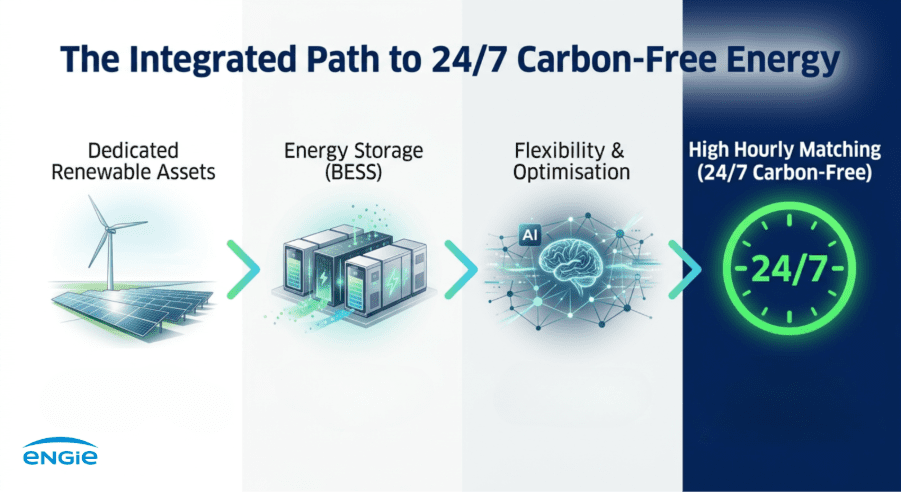
24/7 Carbon-Free Energy (CFE) aims to match electricity consumption with carbon-free generation on an hourly granularity and locally produced.
For data centers, it provides a more precise measure of how closely continuous demand aligns with available carbon-free energy. Within their wider power strategy, 24/7 CFE specifically supports the sustainability imperative.
Achieving a high level of hourly matching requires a combination of renewable electricity supply, short-term flexibility assets as batteries and longer-term flexibility, associated with market optimization. Because renewable generation profiles vary, these technologies complement one another throughout the year to meet the demand profile.
Solutions can combine physical or virtual PPAs, Energy Attribute Certificates (EACs), additional local assets, supply and balancing services. Together, they strengthen the credibility of Carbon-Free Energy claims and provide greater visibility over when and where Carbon-Free Energy is available.
ENGIE’s approach: from power access to integrated energy solutions
ENGIE combines capabilities across three complementary areas: access to powered land, access to additional power and access to power supply.
These capabilities include:
- powered land, grid connections and onsite generation solutions
- additional renewable and battery storage capacity
- tailored supply, PPAs, market access and risk management
- forecasting, hourly tracking, balancing and real-time optimization
Together, they address three business imperatives for data centers: securing the volumes needed for growth, improving predictability over supply and prices, and supporting sustainability objectives.
In Germany, ENGIE combines renewable generation, battery storage, residual supply and balancing services to support Google’s 24/7 carbon-free energy objectives through 2030.
24/7 CFE is therefore one solution within a broader power strategy, tailored to each data center’s location, consumption profile and decarbonization objectives.
What data centers reveal about the energy transition
Data centers make a wider transformation in energy procurement increasingly visible. Their continuous and concentrated demand highlights the need for faster grid access, additional generation capacity, diversified portfolios and closer alignment between supply and consumption.
They are accelerating more local, flexible and transparent energy models. What begins with digital infrastructure can also shape solutions for other electricity-intensive industries, where sustainability, scalability and security of supply must be addressed together.